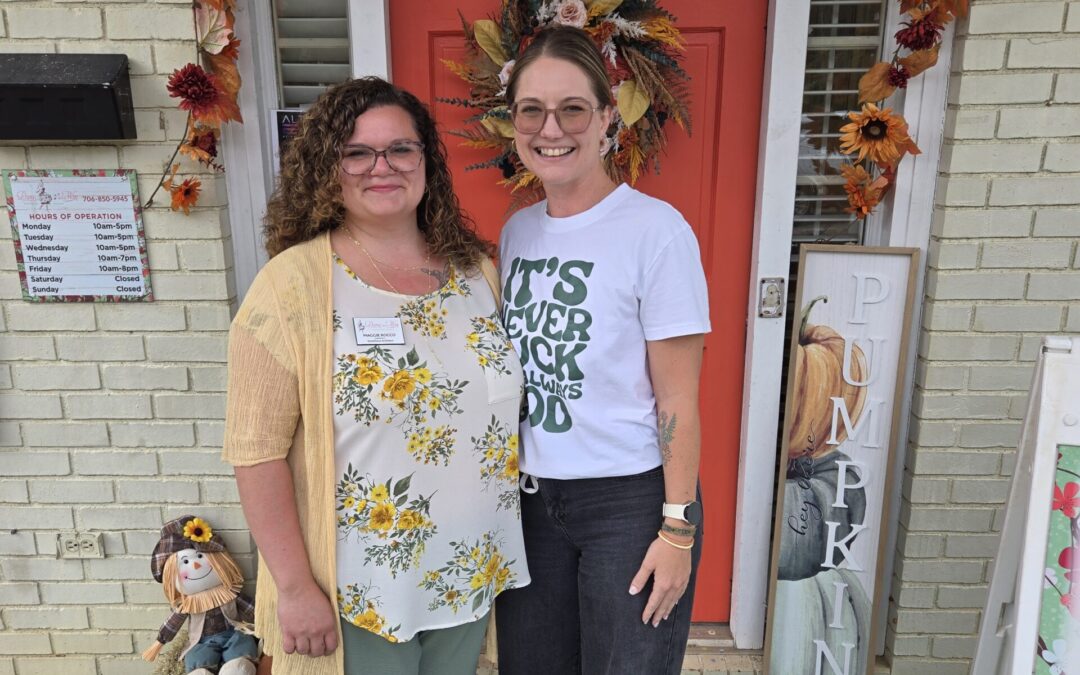
Yesterday, I walked into DIVAS Who Win in Athens, Georgia.
I was on a mission to learn more about what they were doing for women in recovery, and had the pleasure of spending some time with Maggie Rocco, Workforce Architect, who walked me through the DIVAS Who Win Freedom Center, and before we get into anything heavy, I need you to understand something:
These women have style.
Their living room was filled with different chairs. Nothing looked perfectly matched. Some pieces were quirky. Some were worn. Some were bright neon colors. And somehow? It was beautiful, felt like home, and I couldn’t stop thinking about how perfectly that room represented what DIVAS does.
Women walk through those doors carrying different stories. Some have been hurt. Some have been discarded. Some have histories the world has decided should define them forever, and DIVAS makes room for them.
This is so much bigger than getting sober.
DIVAS Who Win is a female-exclusive Recovery Community Organization in Athens, Georgia, and according to the organization, the only female-exclusive RCO in the state. When I say they’re helping women rebuild their lives, I don’t mean they hand somebody a recovery pamphlet and send her on her way. I mean rebuild.
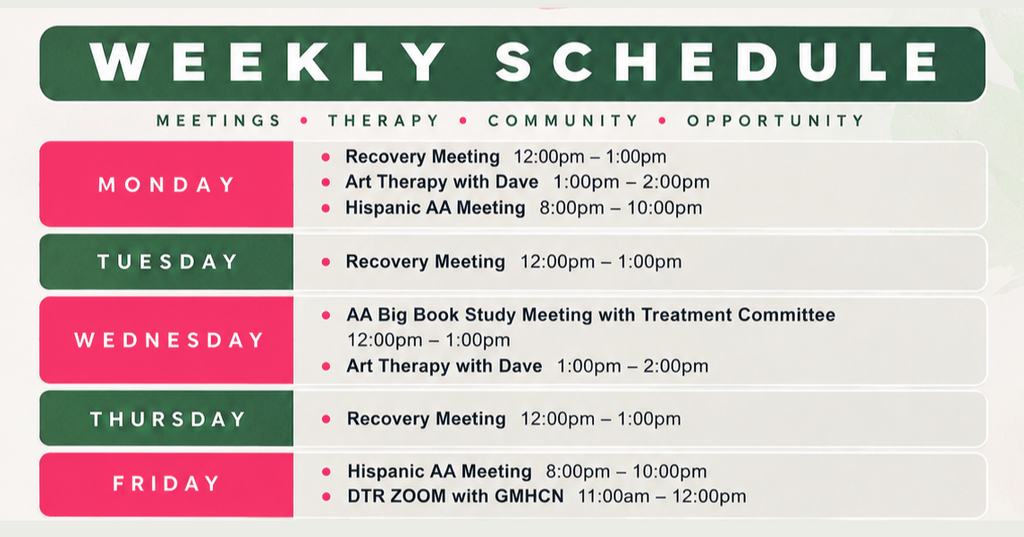
Their weekly schedule includes recovery meetings, AA Big Book study, art therapy, peer check-ins and community service, but then I did my own research and it kept going… job searching, résumé building, online learning, computer access, sober living applications, community resources, a quiet space to sit down and journal, read or simply figure out what comes next… And then there are programs with names I absolutely love:
SHE WORKS — a quarterly workforce development class.
SHE SHINES — a 250-hour paid internship
SHE GROWS — garden therapy. (YES, PLEASE!)
SHE CREATES — art and wellness.
SHE SPEAKS — spoken word, song, poetry and storytelling.
And their Way of a Diva program (WOAD) gives women a 12-month pathway to keep growing in recovery.
Do you see what they’re doing? They’re not just saying, “Sober up and move forward” They’re helping answer the question that comes immediately afterward: “Okay. Now how do I build a life?” And that includes beginning before a woman ever walks through their front door.
Their SHE ROARS Re-Entry Program brings survivor-led services directly into local jails, beginning reentry planning before release and helping women connect with treatment, recovery support and community resources. That matters so much, because we can’t wait until a woman walks out of jail with her belongings in a plastic bag and nowhere to go before we start asking what her plan is. The bridge has to start before she reaches the gap.
And they’re building community around recovery, too.
This is another thing I loved. Recovery doesn’t have to mean sitting in a sad room talking about everything you’ve ever done wrong for the rest of your life. They’re involved in community events like Athens Recovery Fest, and they’re currently preparing for their 9th Annual JoyFest Toy Drive, because the women they serve aren’t recovery statistics. They’re mothers, daughters, sisters, cousins, aunts… they’re part of families that deserve Christmas memories and community and JOY amongst rebuilding, too.
Another big initiative is the Freedom Boutique, their women’s resale boutique in downtown Athens, and listen, somebody over there understood the assignment! They send a seriously fashionable woman out to find the cute stuff—the pieces women actually WANT—and resell them through the boutique to help fund the work DIVAS is doing.
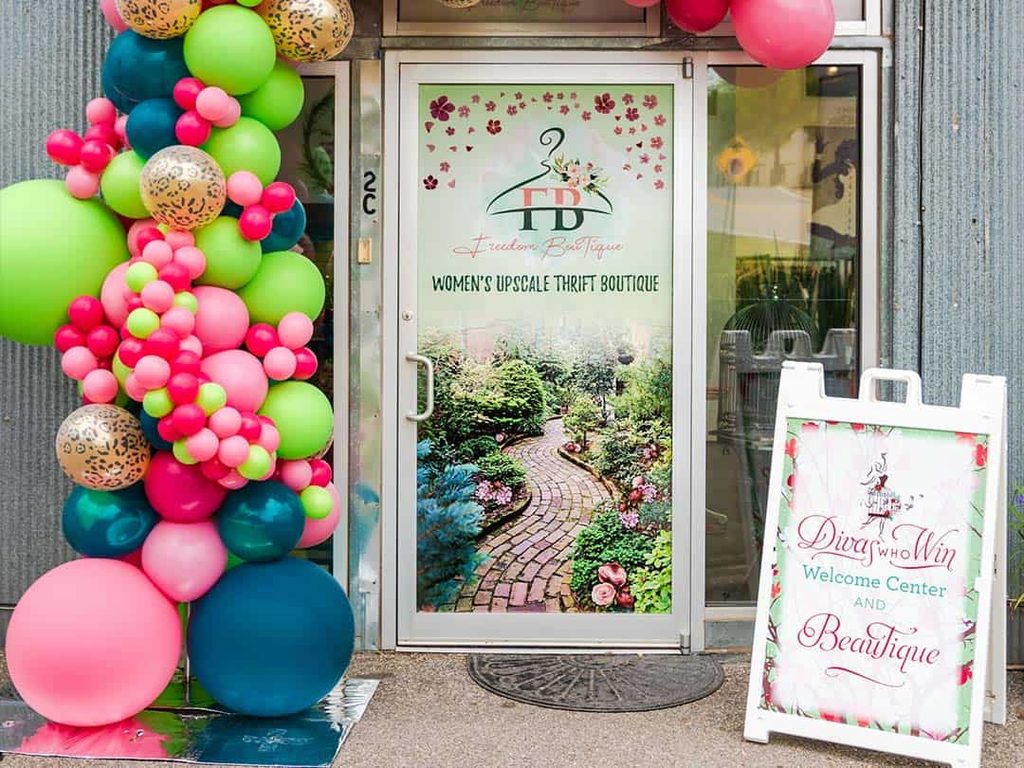
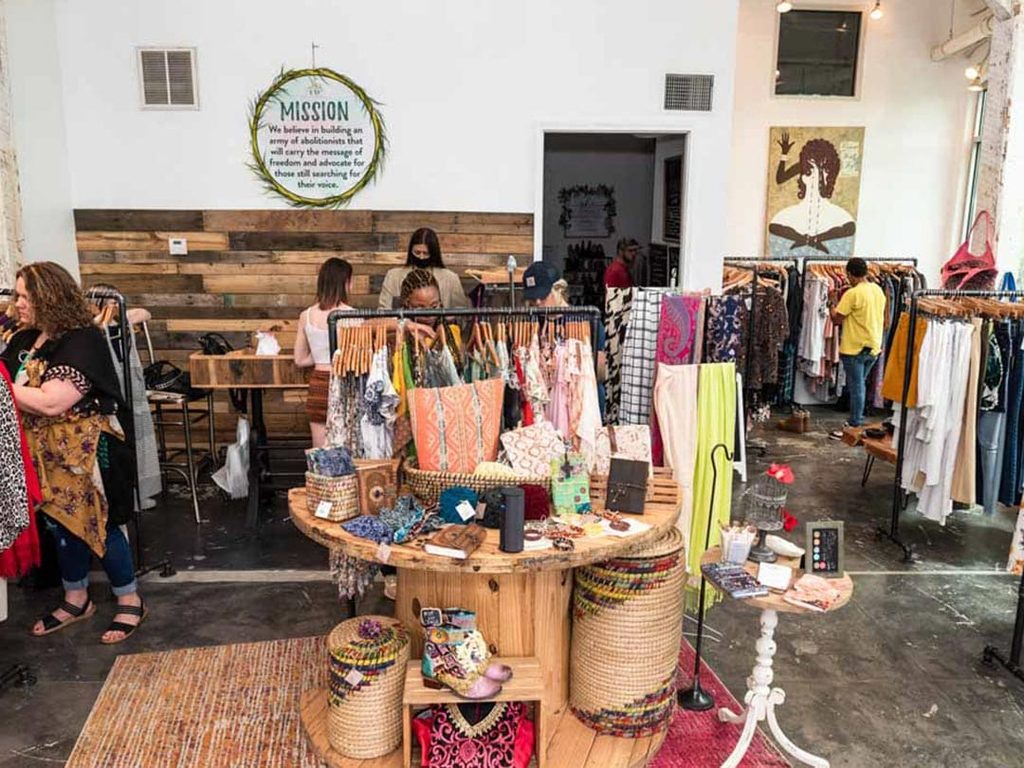
It’s adorable and creative, but more importantly, it’s another example of something I saw over and over during my visit:
DIVAS isn’t waiting around for somebody else to solve the problem. They’re building solutions.
And the numbers tell the story, too.
It would be easy to walk through DIVAS, feel all the warm fuzzy feelings I felt, and tell you this organization is making a difference, but we don’t have to rely on feelings, because they’ve got receipts.
According to the DIVAS Who Win’s 2025 Impact Report:
487 women were served.
26,167 individual contacts made.
39 women graduated from SHE WORKS, their workforce development program.
10 foundation partners helped make the work possible.
Read that first number again. 487 women.
That’s 487 individual stories that intersected with this organization in a single year. And there was a quote from founder Chanda Santana in that report that I haven’t stopped thinking about:
“We didn’t build programs for survivors. We built the pathways we needed ourselves — for every woman who comes after us.”
There it is: Going back for the woman behind you.
And maybe that’s why, after seeing everything DIVAS is doing—the meetings, workforce development, re-entry planning, transportation, internships, community, resources—I wanted to know something else:
Where is the bridge still broken?
Because you can build a whole lot of pathways for a woman, but eventually she still needs somewhere safe to land.
That’s when Maggie told me about Freedom Forge.
DIVAS says Freedom Forge is its next step: a safe place where women can live while recovering from addiction, escaping trafficking, or transitioning out of the sex trade. And suddenly our conversation shifted from everything DIVAS had already built to one of the biggest gaps to bridge in this industry as a whole.
So I asked Maggie:
What’s the biggest obstacle these women are facing right now?
She didn’t even have to think about it. Honestly, I don’t think I finished the question before she knew her answer: Housing. More specifically, the bridge between structured recovery housing and actually living independently, and I knew exactly what she meant.
We tell women to rebuild their lives. Then we make rebuilding nearly impossible.
Imagine this: A woman enters recovery housing. Maybe she chose it. Maybe the court chose it for her. It doesn’t really matter. She’s there. She’s sharing a room, working, paying rent. She’s following rules, learning how to experience emotions without numbing them, and rebuilding relationships. She’s learning how to exist inside a body and brain that may have spent years in survival mode.
She’s doing the exhausting mental, emotional, physical and spiritual work of learning how to want to live again. Then, eventually comes the day we’ve supposedly been preparing her for: She’s ready to leave. Congratulations!
Now find an apartment. Except rent is drastically more expensive than the bed she was paying for. So she needs a better job. Except the application asks about her criminal history. Felon. The apartment application asks too. Felon. Another employer sees her history. Addict.. Another landlord sees it. Denied.
We tell people in recovery: Change your life. But too often, when they actually do, we refuse to let them fully participate in the life they’ve worked so hard to rebuild. Then we act surprised when people return to the environments they fought desperately to escape.
Where exactly did we expect them to go?
I know because I was her.
There was a time when those titles followed my name too, and employment, housing and financial doors slammed in my face before I was ever given an opportunity to plead my case. Entrepreneurship wasn’t just some cute dream I had about becoming a business owner. In every way, I had to create a door because the traditional ones weren’t available to me.
And I had something many women don’t: a support system.
Years later, I could leave DIVAS and drive to Chuck E. Cheese, where my extremely blessed little girl was spending time with grandparents who love and support us. That contrast wrecked me for a minute, because without the people who helped hold me up while I rebuilt my life, I don’t know where I would be.
And there are women doing the exact same work I did who don’t have that. They don’t need to work harder or have another person reminding them to make better choices. They need somewhere to land while those better choices finally have a chance to become a life.
A community issue that becomes a recovery issue.
We need to talk about the stigma attached to recovery, too, because it doesn’t disappear when someone gets sober.
A person can complete every requirement placed in front of them. Serve their sentence. Finish probation. Pay their fines. Complete treatment. Stay sober. Hold a job. Rebuild relationships. Show up for their children. Spend years becoming someone completely different from the person reflected in a background check.
And still walk into the world carrying one word stamped across everything:
Liability.
Employers, landlords, and banks see risk. Insurance companies and corporate policies can create another layer of barriers. Eventually we have to be willing to ask an uncomfortable question: At what point do we actually allow someone to be restored?
Because telling me, “You’ve paid your debt to society,” doesn’t mean very much if that debt follows me indefinitely into every job application, rental application and opportunity I need in order to build a stable life.
We tell someone stability helps protect recovery, and then make the basic ingredients of stability—employment, housing, transportation and financial opportunity—some of the hardest things for them to obtain.
And I want businesses to hear this part especially: A history of addiction or incarceration does not tell you everything you need to know about the person standing in front of you today.
There are people in long-term recovery who have spent years developing accountability, discipline, humility, resilience and a work ethic born from having to rebuild absolutely everything. I know because I became one of them.
This is where I think our local business community has an enormous opportunity. Small businesses especially have something giant corporations often don’t: the ability to look beyond an automated checkbox and actually meet the human being applying for the job. One business owner willing to consider the whole person can change the trajectory of a family. One employer willing to say, “Tell me who you are now,” can become part of somebody’s recovery story.
I’m not asking businesses to abandon responsible hiring practices or ignore legitimate requirements of a position. I’m asking us to leave room for discernment, context and redemption.
Look at how long ago the offense occurred. Look at what she’s done since. Look at her qualifications. Her references. Her recovery. Look at the life standing in front of you—not only the worst chapter written behind her.
Because if someone has done everything we’ve asked her to do to earn another chance, eventually somebody has to be willing to give her one.
“They will know we are Christians by our love.”
That song kept playing through my head while Maggie showed me around, because these women have walked through seasons most people don’t even like talking about: addiction, incarceration, trafficking, abuse, shame, starting over… and instead of getting as far away from that part of their lives as possible, they’re going back for others.
That’s Kingdom work to me. Finding freedom, then turning around and going back for the woman who still doesn’t know there’s a way out. I drove away asking myself: What can I actually do? Not what can I post or what can I say, but what can I do?
Messy Brave was born from my own story of addiction, incarceration, motherhood, rebuilding, faith and redemption, and if that story is going to generate revenue, then I want some of that revenue building bridges for women walking through the same places I once did.
So I’m starting with DIVAS.
I created code DIVAS10 for Messy Brave books, devotionals and apparel. When that code is used at checkout, you’ll receive free shipping, and 10% of the eligible merchandise purchase will be donated to DIVAS Who Win.
Buy something you were already going to buy. Read a story about redemption. Wear something that starts a conversation. Give a devotional to someone who needs it.
And let an ordinary purchase help fund extraordinary second chances.
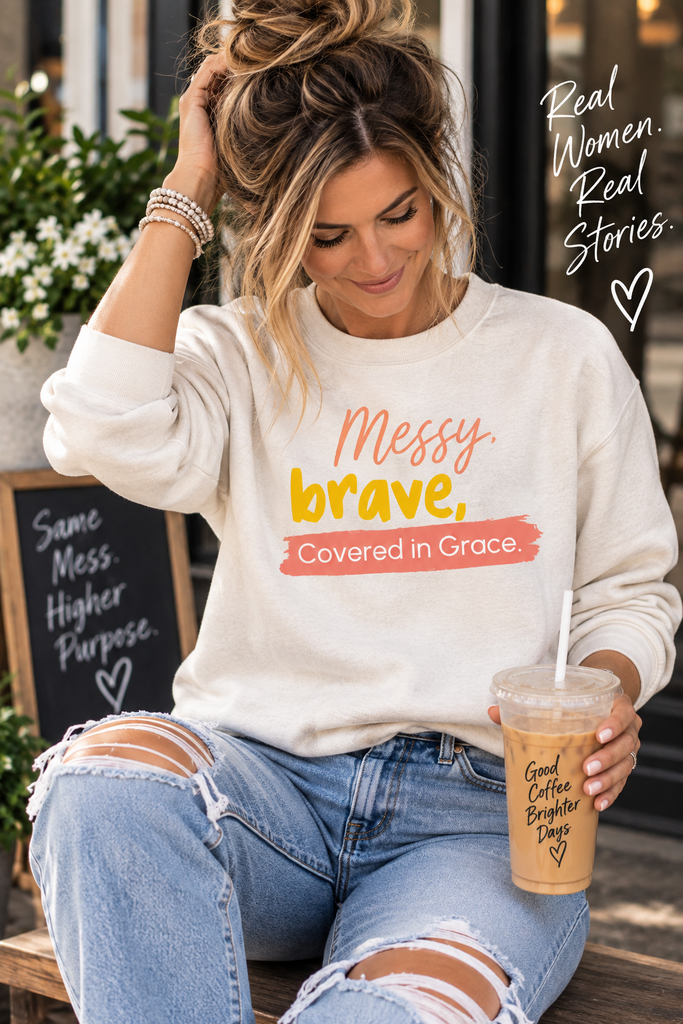
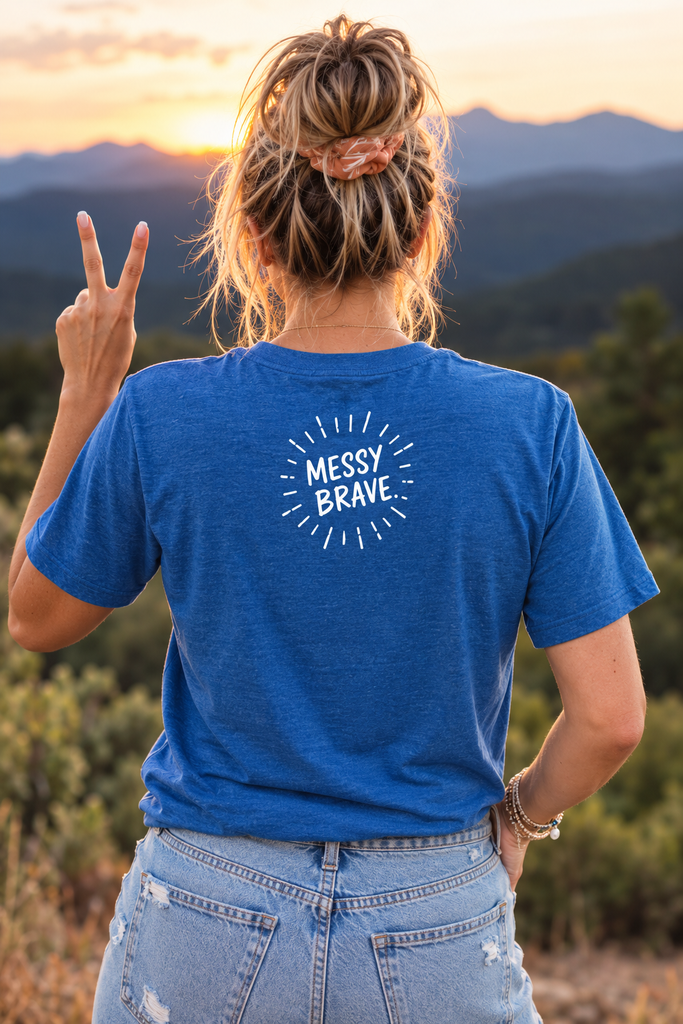
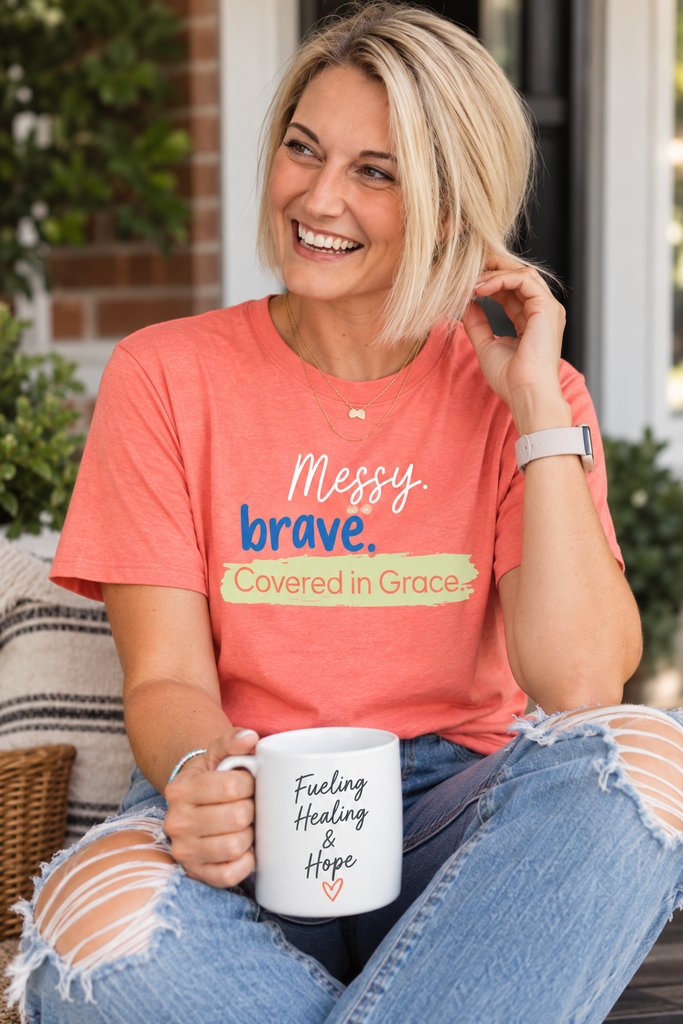
But I don’t want it to stop with DIVAS. (Naturally, right?)
I think we can build a lot more bridges.
If you operate a recovery organization, sober living program, women’s ministry, reentry program or another organization helping women rebuild their lives, I want to hear from you.
I’m developing a Messy Brave partnership program that will allow participating organizations to have their own unique code, share Messy Brave resources with their communities, and receive a portion of qualifying sales generated through that partnership.
I could build a thousand awareness campaigns screaming RECOVERY MATTERS!
But maybe we don’t need another campaign telling us recovery matters.
Maybe we need more ways to put our money behind the people already proving that it does.
A book. A sweatshirt. A devotional. One ordinary purchase at a time until purchases become funding.
Funding becomes transportation.
Training.
A deposit.
A bed.
A second chance.
A bridge.
These women are already doing the unimaginably hard work of rebuilding their lives.
Maybe it’s time the rest of us made sure there was actually somewhere for them to go when they do.
Want to put Messy Brave resources directly into more hands?
Wholesale pricing is available for recovery organizations, ministries, churches, sober living programs, re-entry programs, treatment providers and other community organizations interested in purchasing Messy Brave books or devotionals in quantity.
For current wholesale options and the best available pricing, reach out directly to courtney@messybravemedia.com.
Tell me what you’re trying to do, and let’s figure out how to get these resources where they’re needed.